
LMS & Marketplace Development
Build the Platform Behind Your Community.
Turn course delivery or multivendor selling into a manageable online experience. We develop WordPress platforms with Tutor LMS or Dokan around the needs of learners, instructors and vendors.
Project fit
A scope shaped around your needs.
Tutor LMS / Dokan marketplaces / Membership workflows
Work with our web development studio from discovery through handover.
Request a quote. Deliverables, timing and recurring costs are agreed before development.
Overview
Two platform types, different operating needs
A learning platform organizes courses, enrollment and learner access. A marketplace connects vendors, products and order responsibilities. These are distinct scopes: discovery determines whether you need one, or a carefully planned combination.
A practical approach
Start with the problem. Define the solution.
When your current setup gets in the way
Unclear access rules can leave learners unable to find their next lesson. In a marketplace, vague vendor responsibilities or commission rules can create administrative work. Platform planning starts with these operating decisions.
How we approach the work
We map roles and journeys before configuring Tutor LMS or Dokan. The solution uses supported features and extensions where they fit, with custom development scoped for specific gaps. Payments, memberships and vendor workflows are reviewed against provider support.
Deliverables
What your project can include.
01
Learner, instructor or vendor journey planning.
02
Tutor LMS course structure and enrollment configuration.
03
Dokan vendor onboarding and storefront configuration where required.
04
Membership and content-access rules within the agreed scope.
05
Supported payment and commerce integrations.
06
Role-based workflow testing and administrator guidance.
07
Documentation of platform dependencies and recurring licenses.
Your proposal specifies which deliverables are included. Copywriting, ongoing maintenance, paid licenses and hosting are scoped explicitly.
Development process
From discovery to handover.
01
Define roles and rules
Agree who creates content, who can access it and who handles orders or learner support.
02
Map the platform
Plan course navigation or vendor onboarding, including payment and access requirements.
03
Configure and customize
Build the selected platform, connect supported extensions and implement scoped custom behavior.
04
Test each role
Exercise the administrator and learner or vendor journeys before approval and handover.
For remote projects across the USA, UK, Canada and Australia, we agree review milestones, communication channels and meeting times around your time zone. The schedule follows the scope and content readiness.
Relevant work
A useful reference for the conversation.
Selected work
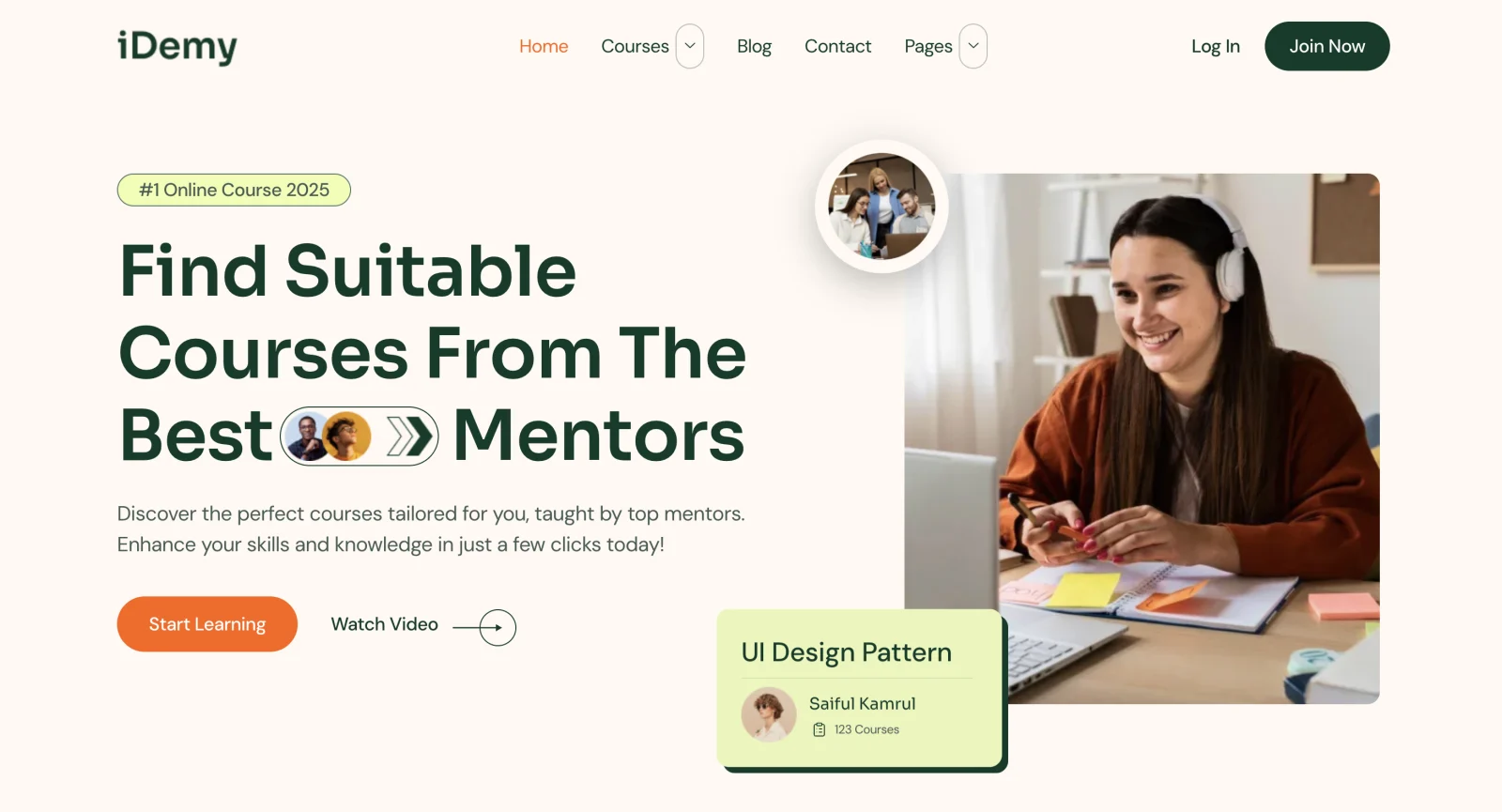
iDemy
An online-learning website introducing courses and mentors through a welcoming, clearly structured homepage.
Questions, answered
Before we start.
Do I need both Tutor LMS and Dokan?
No. Tutor LMS and Dokan address different needs. We recommend only the platform and extensions required for the agreed learning or marketplace scope.
Can you set up paid courses and memberships?
Yes, where the chosen tools and payment provider support the access and billing model. Course access, renewals and cancellation behavior need explicit requirements and testing.
Can vendors receive automatic payouts?
That depends on the payment provider, supported integrations and your business eligibility. Payout timing, fees and responsibilities must be confirmed before implementation.
Can you upload my course content?
Content migration or entry can be included after reviewing the volume, formats and rights to use the material. Course writing and video production are separate services.
Will the platform scale to any number of users?
Capacity depends on hosting, concurrent activity, media delivery and extensions. We can scope capacity testing against realistic usage; we do not promise unlimited scale.
Your next project
Start with the people using your platform
Share your course model or marketplace idea, the roles involved and how access or transactions should work.